
October 16, 2026
October 16, 2026
7.00 Min Read
Erectile Changes After 50 And What They Can Mean
Erections often become less automatic as men move through their fifties and beyond. A response that once appeared almost instantly may need more time, more touch, or a stronger sense of arousal. That change can feel unsettling, particularly when it arrives without warning during sex. It can also be easy to interpret one awkward evening as evidence that sexual function has suddenly disappeared.
The more useful question is how the pattern behaves over time. An occasional softer erection after a tiring week means something different from a persistent change across masturbation, partnered sex, and morning erections. Looking at timing, health, medication, desire, stimulation, and emotional pressure helps separate ordinary variation from a problem that deserves assessment.
Table Of Contents For Erectile Changes After 50
Watch Erectile Changes After 50

How Erections Can Change With Age
Ageing can alter the speed and intensity of an erection without removing sexual capacity. Erections may take longer to develop and may require more direct stimulation. Firmness can also fluctuate more during a sexual encounter. These differences do not automatically mean erectile dysfunction, especially when erections still occur reliably in other situations.
Sexual response also includes desire, sensation, confidence, ejaculation, pelvic comfort, and the ability to stay mentally engaged. A change in one area can influence another. Men noticing urinary symptoms, pelvic discomfort, or changes after prostate treatment may also find useful context in information about prostate health and sexual function.
- 1Slower arousal: More time, touch, fantasy, or stimulation may be needed before firmness develops.
- 2Variable firmness: An erection may feel strong at one point and softer later without ending the sexual encounter.
- 3More direct touch: Stimulation that once felt optional may become more useful for maintaining arousal.
- 4Longer recovery: The time before another erection can become longer after orgasm.
- 5Context matters more: Tiredness, alcohol, stress, privacy, and comfort may influence erections more noticeably than before.
What Can Sit Behind A Change In Erections
An erection depends on coordinated activity between the brain, nerves, hormones, muscles, and blood vessels. Changes in circulation can therefore affect firmness. Diabetes, high blood pressure, high cholesterol, cardiovascular disease, smoking, excess alcohol, and some neurological conditions can contribute. Prostate surgery, radiation treatment, pelvic injury, and several prescription medicines can also influence erectile function.
Desire deserves separate attention because erection and libido are connected without being identical. A man can want sex yet struggle with firmness. Another man may have physically workable erections while feeling little interest in sex. Looking at how male sexual desire can shift with age can help distinguish reduced arousal from a primarily erectile problem.
Psychological pressure can then amplify a smaller physical change. One erection loss can create anticipation of another. Attention moves from pleasure to constant checking, which makes arousal harder to sustain. I once had a girlfriend who could tell immediately when I had stopped enjoying the moment and started mentally supervising my body. Her response was simple. She slowed everything down and removed the expectation that intercourse had to happen. That small change showed how quickly pressure can become part of the problem.
Patterns That Deserve Closer Attention
Frequency and consistency provide useful clues. An erection that disappears occasionally after poor sleep or several drinks carries a different pattern from difficulty during nearly every sexual situation. Morning erections can also provide context, although their presence or absence cannot diagnose a cause by itself. A sudden change deserves particular attention when it appears alongside new medication, surgery, pelvic symptoms, or another health change.
Persistent erectile difficulty can sometimes accompany cardiovascular or metabolic disease, so repeated problems deserve more than embarrassment and guesswork. A broader discussion of erectile dysfunction and its possible influences can provide extra sexual wellness context. A clinician can then review the individual pattern alongside blood pressure, medication, medical history, and other symptoms.
| Pattern | Useful Context | Practical Response |
|---|---|---|
| Occasional softer erection | Often linked with fatigue, stress, alcohol, distraction, or limited arousal | Notice the circumstances before assuming a persistent problem |
| Gradual loss of firmness | May involve ageing, circulation, medication, health conditions, or stimulation changes | Track the pattern and raise persistent changes during a health review |
| Sudden persistent difficulty | A new medicine, health event, stressor, or physical condition may be involved | Arrange medical assessment rather than repeatedly testing yourself during sex |
| Erections alone but not with a partner | Context, pressure, stimulation style, confidence, or relationship dynamics may contribute | Compare situations without treating the difference as proof of one cause |
| Pain or new penile change | Curvature, injury, pelvic symptoms, or another physical issue may need assessment | Seek medical advice rather than trying to work around persistent pain |
Practical Ways To Support Erectile Function
Start by removing the idea that an erection has to appear on command. Give arousal more time and use the stimulation that works now rather than recreating routines from twenty years ago. Manual stimulation, oral sex, masturbation together, toys, and longer periods of touch can keep intimacy enjoyable while reducing the pressure placed on penetration.
General health also influences erectile function because erections rely heavily on blood flow and nerve signalling. Regular activity, smoking cessation, sensible alcohol use, adequate sleep, and treatment of cardiovascular or metabolic conditions can support overall health. Pelvic floor work may also interest some men, and this overview of Kegel exercises for men explains the basic idea. Persistent symptoms still deserve medical assessment rather than relying on exercise alone.
Medication should be reviewed with a clinician rather than stopped independently. Several medicines can affect erections, yet the condition being treated may also influence sexual function. I remember a girlfriend once asking why I would change three habits at once when I was trying to identify one problem. She had a point. Changing alcohol intake, medication timing, sleep, and sexual technique simultaneously can make it difficult to tell what helped. A simple record of symptoms and circumstances can make the next clinical conversation far more useful.
When A Medical Conversation Becomes Useful
Arrange a medical review when erection difficulties become persistent, distressing, or noticeably different from your usual pattern. Seek advice sooner when the change appears after surgery, follows an injury, involves pain, or occurs with urinary or other new physical symptoms. A clinician can review health history, medication, cardiovascular risks, hormone concerns, and the circumstances surrounding the change.
Treatment depends on the likely cause and personal health circumstances. Options can include addressing an underlying condition, adjusting medication under medical supervision, counselling support, oral erectile medicines, vacuum devices, injections, or other specialist treatments. Prescription erectile medicines are not suitable for everyone, particularly people using nitrate medicines for chest pain, so buying or borrowing medication without proper assessment can create avoidable risk.
Erectile changes after 50 do not need to become a private test of masculinity or sexual worth. The useful goal is to identify the pattern, protect health, reduce unnecessary pressure, and find sexual approaches that still feel satisfying. When the change keeps happening, a straightforward medical conversation can provide more useful answers than months of silent self testing.
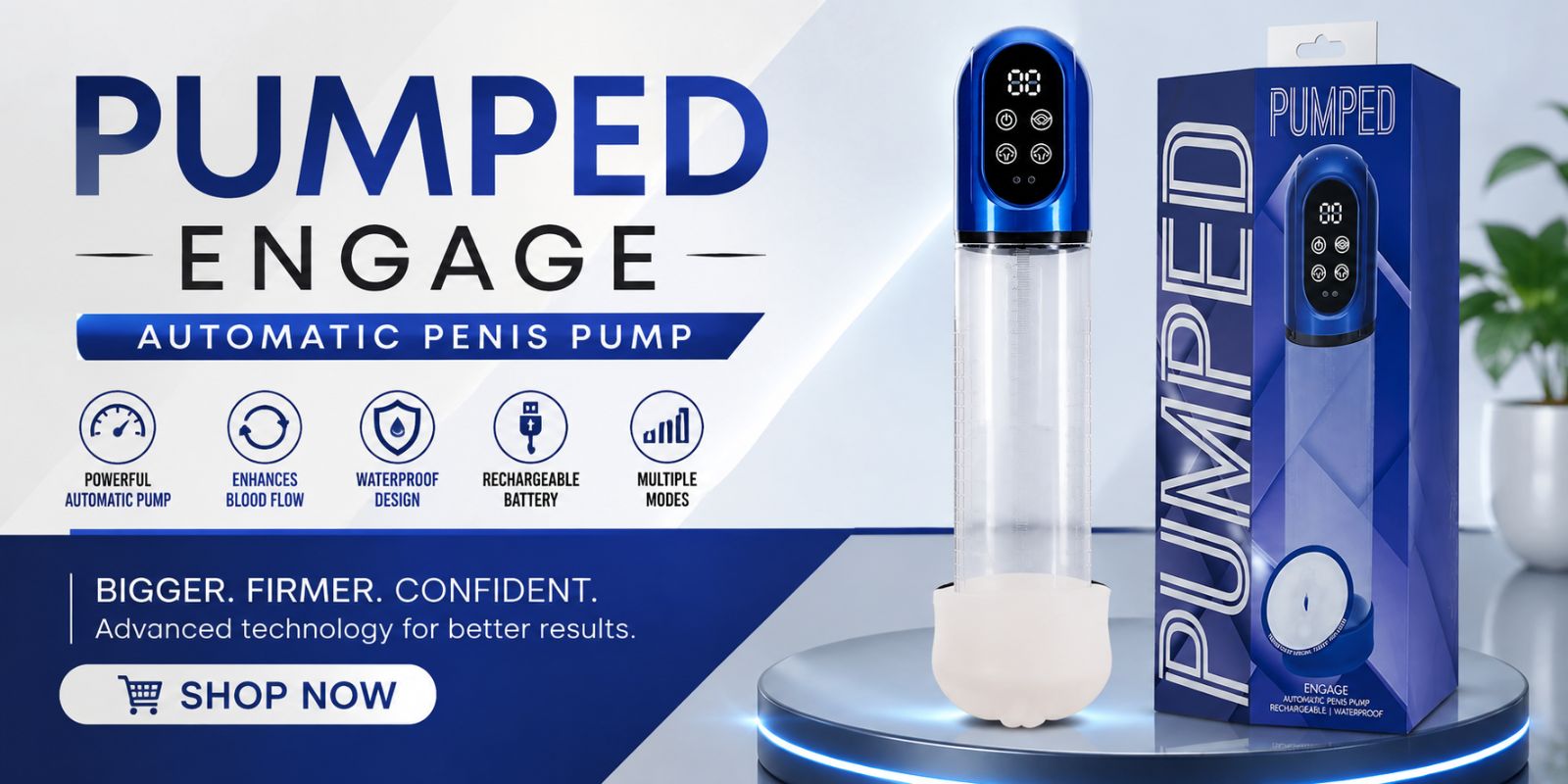
Pumped Engage Automatic Penis Pump For Added Erection Support
Erectile changes after 50 can make dependable firmness and arousal feel less predictable. The Pumped Engage Automatic Penis Pump offers a practical option for men interested in vacuum based erection support, fitting naturally alongside the article’s focus on adapting to changes in erectile function while keeping pleasure and confidence part of the conversation.
FAQs About Erectile Changes After 50
Are softer erections normal after 50?
Erections can take longer to develop and may feel less firm with age. Persistent or substantial changes still deserve assessment, especially when they appear suddenly.
Why can I get an erection alone but lose it with a partner?
Stimulation style, pressure, distraction, anxiety, privacy, or relationship context can influence partnered erections. The pattern can still be discussed with a clinician when it becomes persistent or distressing.
Can blood pressure medication affect erections?
Some medicines can contribute to erectile difficulties. A clinician can review the medication and underlying condition without stopping necessary treatment abruptly.
Does losing morning erections mean something is wrong?
Morning erections can vary with sleep, age, health, and other factors. A persistent change can provide useful context during a medical assessment but does not identify a cause by itself.
When should erection changes be checked by a doctor?
Medical assessment is useful when difficulties persist, begin suddenly, cause distress, follow treatment or injury, or appear with pain and other new symptoms.
Related reading: How The AIDS Crisis Changed A Generation Of Gay Men: How Life Became Better