October 30, 2026
October 30, 2026
6.00 Min Read
The History Of Gay Pride In Australia And How The Movement Grew
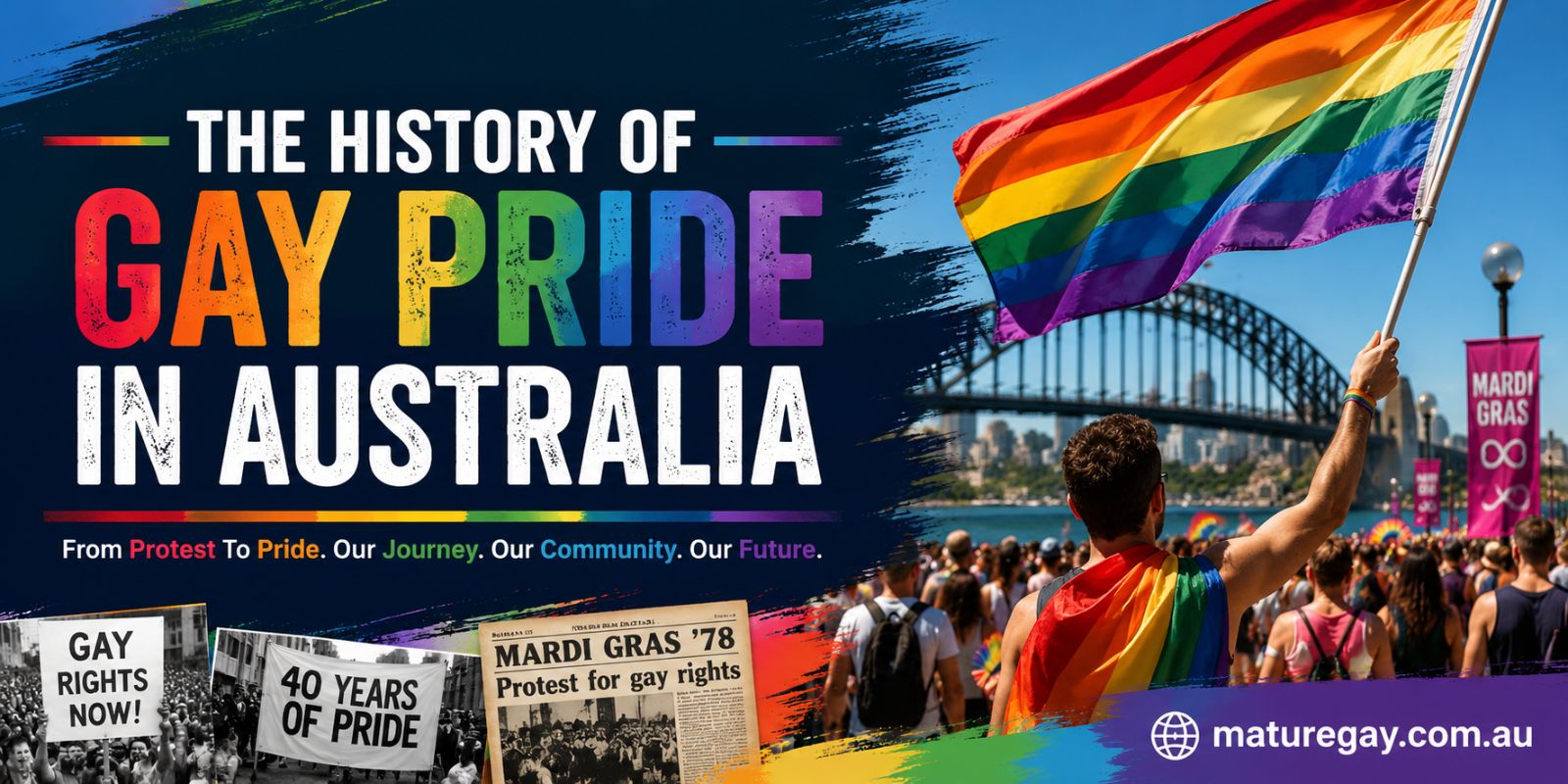
Gay Pride in Australia did not begin as a polished festival with floats, music, corporate banners, and packed viewing areas. Its foundations came from people asking for safety, recognition, legal protection, and the freedom to live openly. Public visibility carried serious consequences for many gay men and lesbians during the early years of organised activism. Pride therefore developed from resistance as much as celebration.
The story also extends beyond one famous parade or one city. Community organisations, protest groups, legal campaigns, social venues, health organisations, artists, volunteers, and ordinary people all shaped Australian gay life. Looking at that broader progression helps explain why modern Pride carries several meanings at once. It can be joyful, political, historical, personal, and occasionally wonderfully loud.
Table Of Contents For The History Of Gay Pride In Australia
Watch The History Of Gay Pride In Australia
How Australia’s Early Gay Rights Movement Took Shape
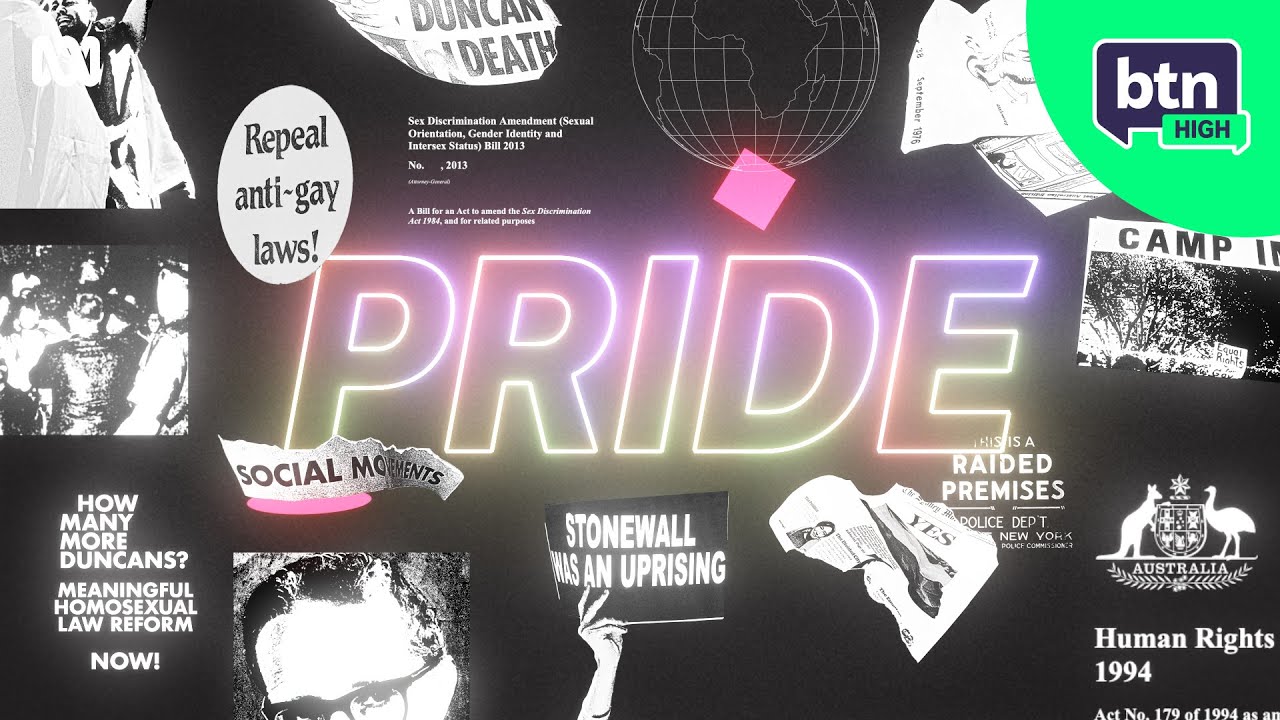
Organised gay rights activism became increasingly visible in Australia during the early 1970s. Groups formed to challenge laws, social stigma, censorship, police treatment, and discrimination. Public meetings and demonstrations gave gay men and lesbians ways to organise collectively. That visibility could bring personal risk, yet it also created networks that later supported larger Pride movements.
Legal and social pressure affected daily life as well as public protest. Many gay men had to judge carefully where they could be open about relationships, friendships, work, and sexuality. Those experiences still echo in conversations about sexual confidence and changing intimacy after 50, particularly for men whose adult lives crossed very different social eras.
Early activists were not working toward a single event or one annual celebration. They wanted lasting social change. Their efforts contributed to stronger community organisations, more visible publications, political lobbying, public debate, and support networks. The modern language of Pride came later, but the foundations were already being built through collective action.
Milestones That Changed Gay Pride In Australia
Australian Pride history developed through overlapping social and legal changes rather than one clean sequence. Protest created visibility, community organisations built support, and legal reform altered daily life. HIV and AIDS also transformed gay communities during the 1980s and 1990s. Health organisations, activists, carers, friends, and partners became central to community survival and public education.
Changes affecting relationships, sexuality, and ageing also shaped how older gay men experienced greater visibility over time. Health concerns that once received limited public attention gradually entered mainstream conversations. Topics including prostate health for gay men now sit within a broader idea of community wellbeing that extends beyond political recognition alone.
| Period | Development | Why It Was Significant |
|---|---|---|
| Early 1970s | Gay rights groups became more publicly organised. | Activism created stronger public visibility and political pressure. |
| 1978 | Sydney’s first Mardi Gras protest took place. | The protest became one of Australia’s defining Pride moments. |
| 1980s | Gay law reform progressed in several jurisdictions while HIV and AIDS reshaped community life. | Activism increasingly combined legal rights, health, care, and public education. |
| 1990s And 2000s | Pride events expanded, and legal recognition continued progressing. | Public participation and cultural visibility became broader. |
| 2017 And Beyond | Marriage equality became part of Australian law, and Pride continued evolving. | Celebration increasingly sat beside remembrance and continuing advocacy. |
How Mardi Gras Became A National Cultural Symbol
The first Sydney Mardi Gras in 1978 began as a protest and international solidarity event. Participants faced police intervention, arrests, and public exposure. The event later became a powerful symbol of resistance and community memory. A fuller account of the history of Sydney Mardi Gras shows why its origins remain important alongside its modern festival identity.
As Mardi Gras grew, it brought together political activism, nightlife, performance, memorial culture, sexuality, humour, and public celebration. That mixture explains much of its staying power. A parade can provide visibility, yet the surrounding festival also creates space for community organisations, health campaigns, artists, families, older gay men, younger generations, and visitors.
My girlfriend once asked why I still pay more attention to the stories behind Pride events than the spectacle itself. The answer was simple. A sparkling parade makes more sense when the difficult years behind it remain visible. Remembering protest, policing, stigma, illness, loss, and reform gives the celebration greater depth without taking away its joy.
How Pride Grew Beyond Parades And Major Cities
Australian Pride gradually expanded beyond the best known Sydney events. Community festivals, regional gatherings, queer arts programs, local marches, social groups, sporting organisations, health services, and online communities increased opportunities for connection. Pride became less dependent on one location and more connected to everyday community life.
Travel has also become part of how some gay men experience community and visibility. Australian Pride events now sit within a broader international network of celebrations and LGBTQ destinations. Looking at popular gay destinations around the world can show how public acceptance, nightlife, tourism, community history, and local culture shape very different experiences.
What Australia’s Pride History Means Today
Modern Pride carries memories that differ across generations. Some older gay men remember periods when being publicly identified could affect work, housing, family relationships, or personal safety. Younger participants may encounter Pride first through festivals, social media, school communities, workplaces, or entertainment. Neither perspective cancels the other. The history helps connect them.
My girlfriend and I once watched a televised Pride event while debating how much politics should appear within celebrations. She preferred the joyful side. I kept returning to the history. We eventually agreed that Pride can hold both. Celebration shows what changed, while political memory explains why those changes should not be treated as automatic or permanent.
The history of gay pride in Australia therefore remains relevant beyond anniversaries. It shows how public visibility can move from protest toward wider acceptance while keeping links to community care and advocacy. For older gay men in particular, Pride can also mark an extraordinary amount of change within one lifetime. Remembering that progression gives today’s celebrations context, dignity, and a stronger sense of connection.
Explore Men’s Sex Toys For Pleasure And Confidence
Pride is also about feeling comfortable with identity, intimacy, and personal expression. The men’s sex toy collection at Adultsmart offers options for men who want to explore pleasure and intimacy with greater confidence.

FAQs About The History Of Gay Pride In Australia
When did Gay Pride begin in Australia?
Organised gay rights activism grew during the early 1970s. Sydney’s 1978 Mardi Gras protest later became one of the defining events in Australian Pride history.
Why is the 1978 Sydney Mardi Gras historically important?
The event began as a protest for gay rights and international solidarity. Police intervention and arrests turned it into a lasting symbol of resistance and visibility.
Was Mardi Gras always a celebration?
Its origins were strongly political and connected to protest. Festival, performance, tourism, and public celebration expanded during later years.
Did Gay Pride develop only in Sydney?
Pride activity spread through other cities, regional communities, arts events, health organisations, social groups, and local festivals. Sydney remains highly visible, but Australian Pride history extends much further.
Why does the history of Pride still affect older gay men?
Many older gay men lived through major changes in law, public attitudes, health policy, and community visibility. Pride history can connect personal memories with the broader changes that shaped modern gay life in Australia.
Related reading: How The AIDS Crisis Changed A Generation Of Gay Men: How Life Became Better