November 13, 2026
November 13, 2026
8.00 Min Read
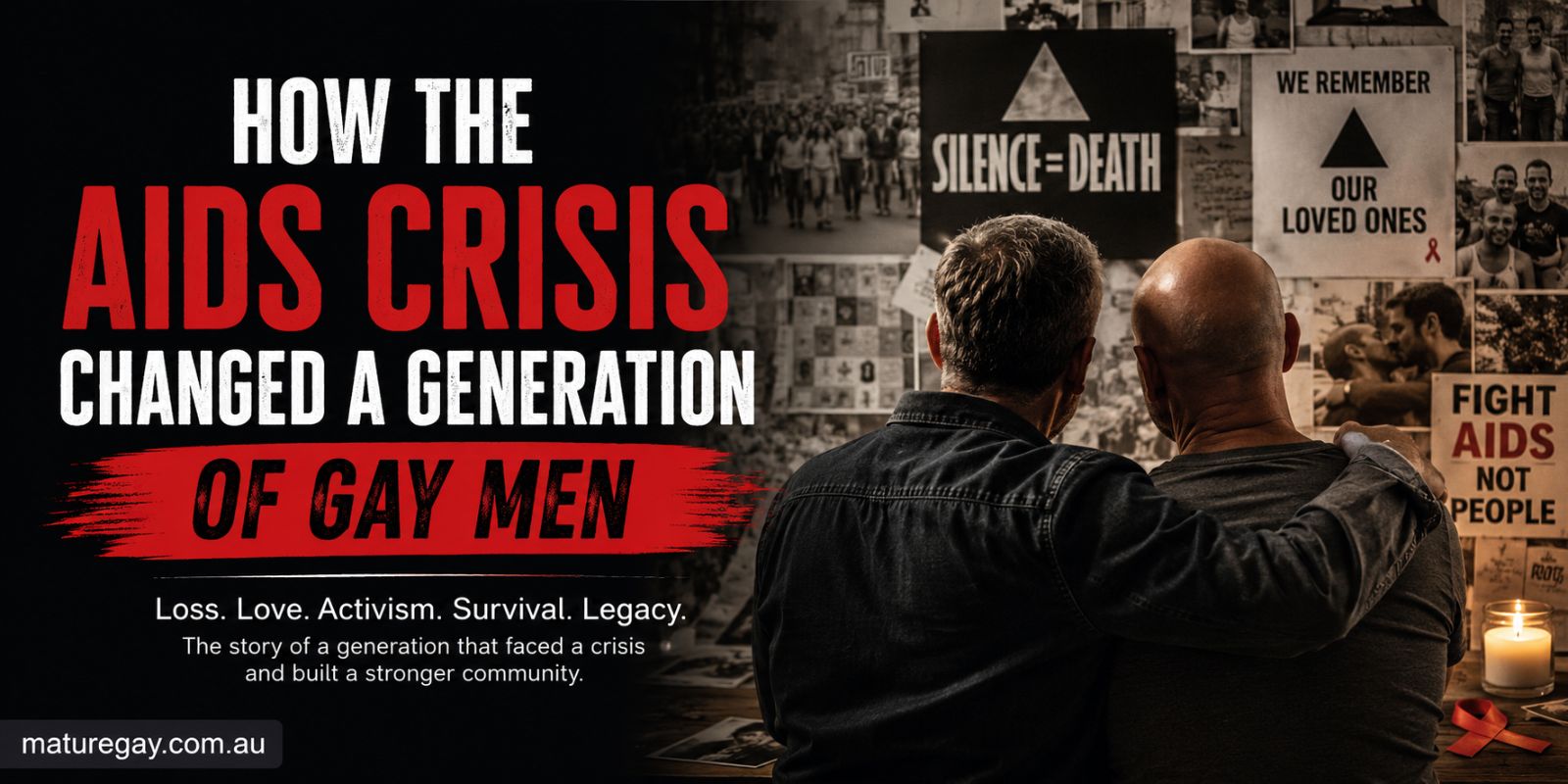
How The AIDS Crisis Changed A Generation Of Gay Men
For many gay men who came of age during the 1980s and 1990s, HIV and AIDS were never distant health subjects. They entered friendships, bedrooms, social circles, hospitals, community organisations, funerals, politics, and everyday conversations. Men watched people their own age become seriously ill while public knowledge changed quickly and reliable treatment remained limited. Ordinary parts of gay life could become connected with uncertainty, responsibility, fear, grief, and an urgent need for information.
The effects did not disappear when treatment improved. A generation carried memories of partners and friends who died, community campaigns that demanded action, and sexual habits shaped during years of intense public health concern. Those experiences also influenced how older gay men view intimacy, ageing, medical care, community, and younger generations today. Looking at that broader legacy gives a clearer picture of how one health crisis reshaped gay life for decades.
Table Of Contents For The AIDS Crisis And Gay Men
Watch How The AIDS Crisis Changed A Generation Of Gay Men

How The Crisis Reshaped Everyday Gay Life
The AIDS crisis arrived during a period when gay communities were becoming more visible and organised. Social venues, political groups, friendship networks, and emerging Pride traditions were helping men build public identities together. The history behind gay Pride in Australia shows how protest, visibility, and community organisation were already becoming important forces. HIV and AIDS added an urgent health struggle to that wider movement for recognition and dignity.
Daily life could change quickly once illness entered a friendship circle. Friends became carers, companions became hospital visitors, and community organisations took on roles that governments and mainstream institutions did not always fulfil adequately. Some men learned medical language because they had to. Others became skilled at supporting grieving friends while carrying their own fear. Conversations that might once have centred on dating, nightlife, work, or politics could suddenly include tests, symptoms, funerals, caregiving, and who had disappeared from a familiar social space.
I once had a girlfriend ask why older gay friends sometimes spoke about community with unusual intensity. The question stayed with me because friendship during that period often carried responsibilities far beyond social company. People cooked meals, attended appointments, sat beside hospital beds, organised practical help, and kept one another connected when rejection was common. That history can explain why some older gay men still treat friendship as something closer to chosen family than casual companionship.
How Relationships Sexuality And Trust Changed
Sexual relationships became connected with health decisions in ways many men had never expected. Condom use, testing, disclosure, sexual practices, and conversations about risk gained new importance. Pleasure could sit beside uncertainty, especially before effective treatments transformed HIV care. Some men became highly cautious. Others found that constant fear made intimacy harder. Long term partners also faced practical questions about caregiving, illness, loyalty, future plans, and the possibility of losing someone at a young age.
Those habits can remain visible decades later. An older man may approach new partners cautiously even when current prevention options provide far more control. Health changes can also revive concerns about sexual confidence. Topics including erectile changes after 50 may feel more emotionally complicated when sexuality has already been shaped by years of medical vigilance. It helps to separate current health circumstances from older memories while still respecting the experiences that created those habits.
| Area Of Life | During The Crisis | Possible Later Life Legacy | Helpful Perspective Today |
|---|---|---|---|
| Sexual safety | Strong focus on condoms, testing, and exposure | Persistent caution around new partners | Use current prevention information alongside personal boundaries |
| Trust | Health disclosure carried significant emotional weight | Careful screening of partners and situations | Build trust through clear current conversations |
| Commitment | Relationships could involve rapid caregiving responsibilities | Strong loyalty or fear of future loss | Recognise old protective habits without letting them control every relationship |
| Sexual confidence | Pleasure could become connected with danger | Anxiety may remain around sexual decisions | Separate present circumstances from older risk messages |
| Health care | Frequent exposure to medical systems and illness | Either strong health awareness or avoidance | Use supportive clinicians and current information |
Grief Activism And A Stronger Sense Of Community
Loss became one of the defining experiences of the period. Some men attended repeated funerals while trying to continue ordinary work and social responsibilities. Grief did not always receive the public recognition offered to other losses. Partners could be treated as friends, families sometimes excluded surviving partners, and stigma could make open mourning difficult. The broader history of HIV and AIDS provides useful context for why education, prevention, treatment, and public awareness became so closely connected with community action.
Activism grew partly because passivity carried consequences. Gay men, lesbians, healthcare workers, advocates, carers, and allies organised education campaigns, support services, fundraising, political pressure, and community care. Sexual health information became something communities produced and shared actively. That work helped build organisations and habits of advocacy that continued after treatment improved. It also strengthened the belief that gay people could protect one another while demanding better responses from institutions.
Community memory can make this history emotionally complicated. Pride events, sexual health campaigns, and ageing services may represent progress while also reminding older men of people who never reached later life. Celebration and grief can sit together comfortably once both are given space. Remembering the crisis does not require reducing a generation to trauma. It also means recognising humour, friendships, persistence, organising skill, creativity, love, and the stubborn determination to keep living.
How The Legacy Can Still Appear In Later Life
Ageing can bring old memories into new situations. A medical appointment, an HIV test, a partner becoming unwell, or news about sexual health may connect with experiences from decades earlier. Some men remain exceptionally proactive about health. Others dislike medical environments because hospitals carry difficult associations. Neither response should be treated as a personality flaw. The history behind the response can provide useful context when deciding what support feels comfortable now.
I once had a girlfriend notice how differently two older friends reacted to the same health conversation. One wanted every detail immediately, while the other changed the subject within seconds. Their reactions made more sense after I knew more about their histories. Older gay men may share a generation without sharing identical experiences. Personal losses, relationships, location, family support, HIV status, and access to community can create very different memories of the same period.
Carrying The History Forward Without Living Inside It
The generation shaped by AIDS also witnessed enormous change. HIV treatment advanced, prevention options expanded, public discussion improved, and many gay communities gained greater legal and social recognition. Those developments can create an unusual emotional contrast. A man may feel grateful for progress while also carrying memories of friends who had far fewer choices. Younger gay men can sometimes appear to inhabit a completely different sexual and social world, even though that world grew partly from earlier activism.
Intergenerational conversations can help keep the history human. Older men can share what the period felt like without expecting younger men to reproduce the same fears. Younger men can listen without treating older gay lives only as stories of hardship. Conversations work best when history becomes context rather than a test of who suffered more. The past can explain attitudes toward testing, condom use, HIV disclosure, activism, community responsibility, and relationships without dictating every present decision.
How the AIDS crisis changed a generation of gay men is ultimately a story about more than disease. It involves grief, care, sexuality, political pressure, friendship, survival, and the building of community institutions that remain significant today. Respecting that legacy means remembering people who were lost while also recognising the lives that continued. Older gay men deserve space to carry their history without being defined entirely by it.
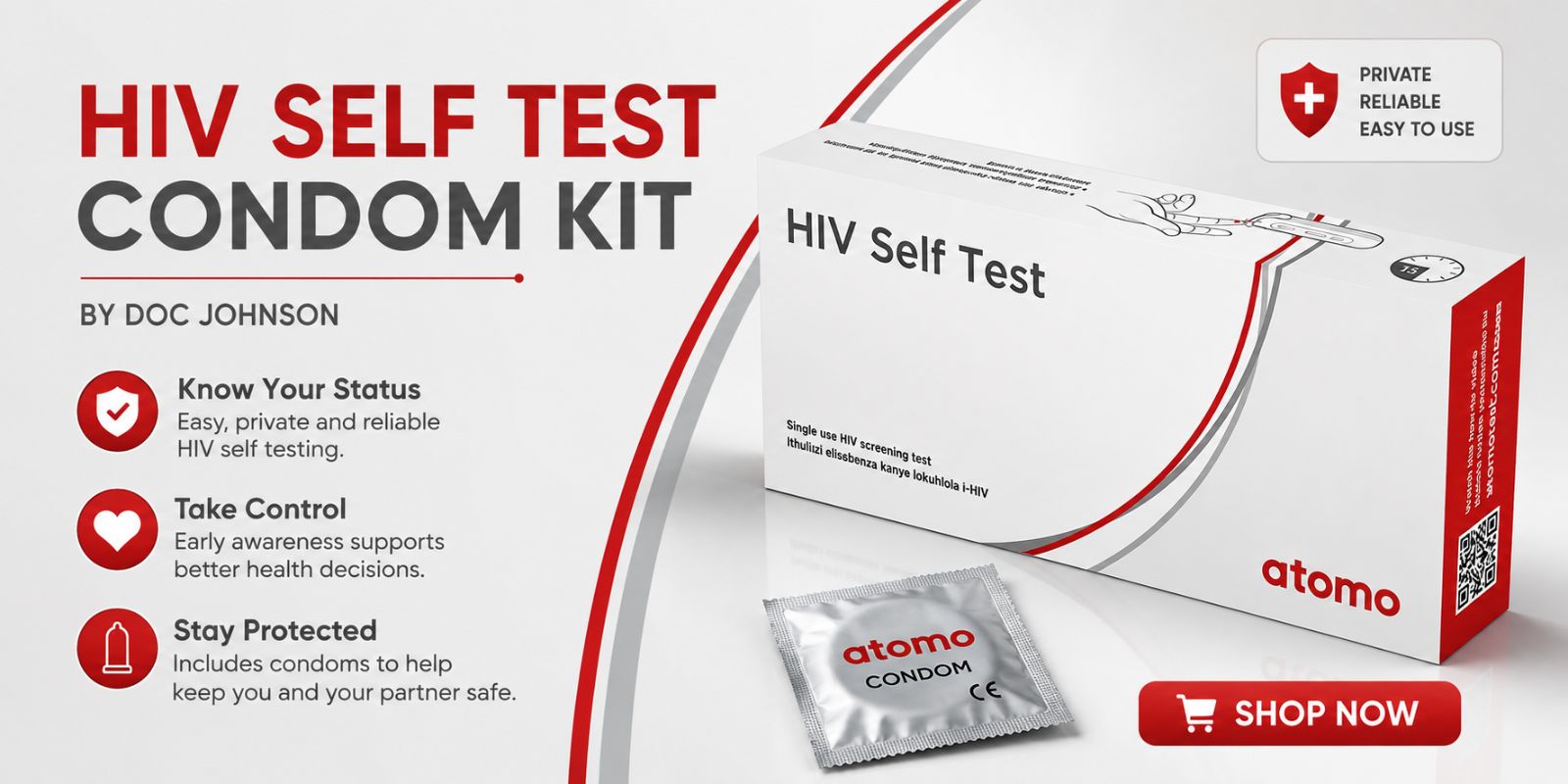
Support Sexual Health Awareness With The HIV Self Test Condom Kit
The HIV Self Test Condom Kit by Doc Johnson connects naturally with the lasting sexual health lessons discussed in this article. For gay men whose attitudes toward testing and safer sex were shaped by the AIDS crisis, convenient access to HIV self testing and condoms can support informed choices, regular health awareness, and greater confidence around sexual wellbeing.
FAQs About How The AIDS Crisis Changed Gay Men
Why did the AIDS crisis affect gay communities so deeply?
HIV and AIDS became closely connected with gay communities during a period of limited treatment, widespread stigma, and significant uncertainty. Illness, caregiving, discrimination, grief, and activism often affected entire friendship networks.
Did every gay man from that generation experience the crisis in the same way?
Experiences varied greatly according to age, location, relationships, HIV status, social networks, family support, and access to healthcare. Some men experienced repeated personal losses, while others encountered the crisis more indirectly.
Can the AIDS crisis still influence older gay men’s relationships?
Past experiences can influence trust, sexual caution, disclosure habits, caregiving expectations, and reactions to illness. Present relationships can develop their own patterns while still acknowledging where older responses began.
Why can sexual health conversations feel different for older gay men?
Sexual health messages during the crisis were often connected with serious illness and uncertainty. Those associations can remain emotionally powerful even after prevention and treatment options have changed considerably.
How can younger gay men respectfully talk about the AIDS crisis with older men?
Curiosity, respect, and careful listening create a better conversation than assumptions about what someone experienced. Give older men room to decide how much personal history they want to share.