November 27, 2026
November 27, 2026
6.00 Min Read
What Is A Gayborhood And Why Is It Important?
A gayborhood is more than a street containing several rainbow flags and a bar with a memorable Saturday night. It usually develops through years of people living, meeting, organising, celebrating, dating, building businesses, and supporting one another in the same area. For older gay men, these neighbourhoods can also hold personal memories of friendship, activism, nightlife, loss, and changing social acceptance.
The role of these areas has changed as gay men have become more visible across wider society. Dating apps, rising property prices, changing nightlife habits, and movement into suburban or regional communities have altered the old geographical pattern. Gayborhoods still carry significance, though their purpose may now involve culture, history, services, tourism, community events, and social connection alongside residential life.
Table Of Contents For Gayborhoods And Community Life
Watch Gayborhoods And LGBTQ+ Community Spaces
How Gayborhoods Became Important Community Spaces
Gayborhoods often grew where LGBTQ+ people could meet with greater freedom and find others with similar experiences. Bars, cafés, bookshops, community organisations, clubs, health services, and informal meeting places helped create a visible social network. For people living through periods of stronger discrimination, having several welcoming spaces close together could make ordinary social life far easier.
That concentration also helped communities respond during difficult periods. The history of how the AIDS crisis changed a generation of gay men shows why local networks could become deeply important. Friends, volunteers, health workers, venues, and community organisations often formed practical support systems during periods of illness, grief, fear, and public misunderstanding.
A neighbourhood can therefore carry emotional meaning beyond its buildings. An old bar may remind someone of his first confident night out. A familiar street may recall Pride marches, friendships, former partners, or community campaigns. Even after venues close, the area can remain part of a shared social memory that connects personal stories with wider gay history.
Community Life Extends Far Beyond Nightlife
Nightclubs and bars receive plenty of attention because they are visible, social, and easy to associate with gay neighbourhoods. Yet a functioning gayborhood can include far more. Community centres, sexual health services, cafés, support groups, arts venues, retailers, charities, Pride organisations, social clubs, and everyday businesses can all contribute to an environment where gay people feel recognised.
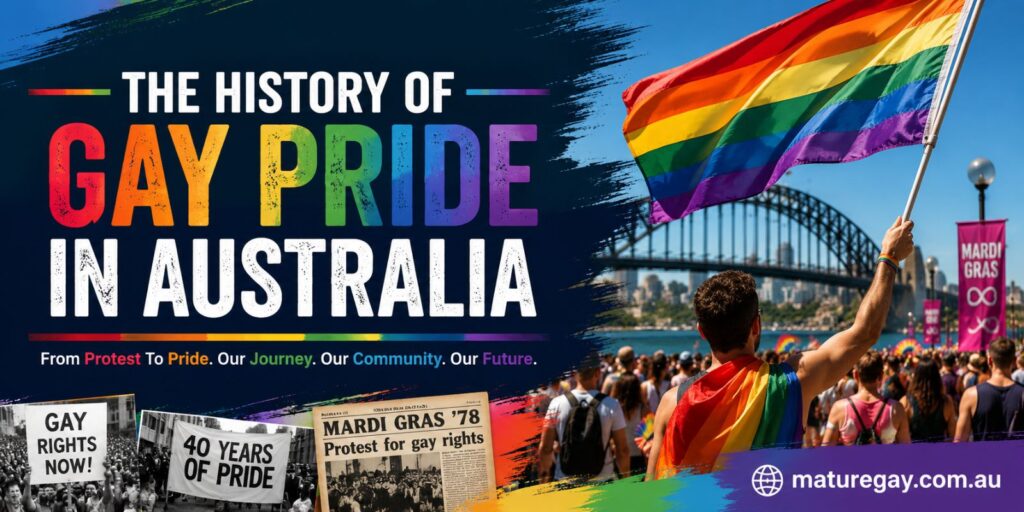
This broader role becomes clearer when considering the history of Gay Pride in Australia. Visibility grew through protest, organising, arts, community events, health initiatives, and public celebration. A neighbourhood can bring several parts of that community life into one accessible area instead of reducing gay identity to nightlife alone.
| Community Feature | What It Can Provide | Who May Find It Useful |
|---|---|---|
| Social venues | Casual connection, dating, friendship, and entertainment | People seeking face to face social contact |
| Community groups | Peer connection, activities, support, and local involvement | New residents and people rebuilding social circles |
| Health services | Care familiar with LGBTQ+ health concerns | People wanting comfortable and informed care |
| Arts and cultural spaces | Storytelling, performance, history, and creative expression | People interested in community culture |
| Local businesses | Visible support and familiar places for everyday social life | Residents, visitors, couples, and friendship groups |
Why Gay Neighbourhoods Change Over Time
A gayborhood can become less concentrated without losing its cultural influence. Rising rents may push residents and independent businesses elsewhere. Gay men may also feel comfortable living across a wider range of suburbs than earlier generations did. Online dating and social platforms have reduced the need to visit one district simply to meet another gay man.
Relationship patterns can influence that movement too. Some gay men build quieter lives around partners, friends, home, travel, or smaller social circles rather than frequent nightlife. Conversations about a gay open relationship also show how modern gay relationships can involve social networks that are less tied to one physical neighbourhood. Connection can now move between homes, venues, apps, events, and friendship groups.
My girlfriend once asked why one particular inner city street seemed to mean so much to older gay friends we knew. The answer became obvious after hearing their stories. They remembered people, protests, romances, funerals, Sunday lunches, and nights that changed their confidence. A map only shows the street. The memories explain why losing familiar venues can feel more significant than losing another business address.
What Keeps A Gayborhood Valuable Today
A neighbourhood does not need to remain frozen in an earlier era to retain its value. Its strongest role may shift from refuge toward connection, culture, visibility, entertainment, services, and public celebration. The best sign of continuing relevance is not the number of rainbow signs. It is the range of people who can use the area comfortably and find something meaningful there.
Gay community spaces also give relationships room to exist publicly. Seeing couples dining together, friends celebrating birthdays, older men socialising openly, and new visitors arriving without hesitation creates everyday visibility. Broader conversations about gay love and relationships gain another dimension when affection and partnership can be part of ordinary public life rather than something kept behind closed doors.
- 1
Visible community presence: Local venues and events can make LGBTQ+ life easier to see as part of everyday city culture.
- 2
Mixed age participation: Spaces become stronger when younger and older gay men can take part without one generation dominating the atmosphere.
- 3
Useful local services: Health, support, cultural, and community services give people reasons to visit beyond entertainment.
- 4
Accessible social options: Daytime venues, dining, events, and community activities can serve people who have little interest in late nightlife.
- 5
Respect for local history: Preserving stories, venues, archives, events, and community landmarks helps new generations recognise what came before them.
Finding Community When Geography Is Changing
Living near a recognised gay district can make community easier to access, but it is no longer the only route. Social groups, sporting clubs, volunteering, Pride events, cultural organisations, online communities, cafés, travel groups, and local friendship networks can create connection far beyond one postcode. For older gay men, smaller gatherings can sometimes feel more comfortable than crowded nightlife.
My girlfriend and I once attended a community event where the most animated table contained several older gay men comparing favourite cafés and social groups. None lived in the traditional gay district anymore. Their friendships had followed them into different suburbs, yet they still returned for events and familiar places. It was a useful reminder that community can spread geographically while keeping strong cultural roots.
The most useful way to think about a gayborhood is as both a place and a community resource. Its buildings may change, businesses may move, and residents may spread across a city. The social value can continue through visibility, memory, services, events, friendships, and shared culture. A strong gay community does not require everyone to live together, but physical spaces can still give people somewhere to gather and feel part of something larger.
Bring Gayborhood Confidence Into Your Personal Life
Gayborhoods celebrate connection, openness, identity, and the freedom to live with greater confidence. The Adultsmart sex toy collection brings that same spirit into personal wellbeing, giving gay men and couples more ways to explore pleasure, intimacy, and connection in private.
FAQs About Gayborhoods And Gay Community Life
Does every major city have a gayborhood?
Some cities have a clearly recognised LGBTQ+ district, while others have community venues spread across several neighbourhoods. Local history, population, housing, nightlife, and social attitudes can shape the pattern.
Do people need to be gay to live in a gayborhood?
Gayborhoods are generally mixed residential and commercial areas. Their identity comes from LGBTQ+ history, businesses, venues, residents, organisations, and community activity rather than exclusive residency.
Are gayborhoods disappearing because of dating apps?
Dating apps have changed how people meet, but housing costs, changing nightlife habits, broader social acceptance, and movement across cities also influence traditional gay districts. Many areas continue through culture, events, services, and hospitality.
Can older gay men still benefit from gay community districts?
Older men may value familiar venues, social groups, health services, cultural events, friendship networks, and connections with community history. Daytime activities can be especially useful for people who no longer enjoy late nightlife.
Can gay community exist without a dedicated neighbourhood?
Community can develop through groups, events, organisations, friendships, digital spaces, businesses, and shared interests across many locations. A recognised district adds physical visibility and a convenient gathering point, but it is only one form of community connection.